Owning Your House

Blog

  • Does Relocation Assistance Cover Lease Break Fees?

    Does Relocation Assistance Cover Lease Break Fees?

    Does Relocation Assistance Cover Lease Break Fees?

    Breaking a lease early can be expensive, especially if you’re relocating for a new job, moving closer to family, or buying your first home. Many renters and homeowners ask the same question: “Does relocation assistance cover lease break fees?”

    The short answer: In many cases, yes. Depending on your relocation program, you may be eligible for financial incentives that cover lease cancellations, moving expenses, and even temporary housing.

    Let’s explore how relocation assistance works, what fees may be covered, and how you can maximize your benefits when moving to Florida or Georgia.

    What Is Relocation Assistance?

    Relocation assistance, sometimes called a relocation package or moving incentive program, is designed to help people move with less financial stress. These programs are often provided through:

    • Employers offering corporate relocation benefits.
    • Real estate relocation services.
    • Realtor networks that provide cash-back, fee coverage, or moving expense reimbursements.

    In states like Florida and Georgia, where thousands of residents relocate each year, these programs make the moving process smoother and more affordable.

    Couple having a conversation at the table - relocation incentives

    Why Lease Break Fees Are a Concern

    Lease agreements are legally binding. If you need to move before your lease ends, landlords typically require you to:

    • Pay a lease termination fee (often 1–3 months’ rent).
    • Cover rent until the landlord finds a new tenant.
    • Forfeit your security deposit.

    These costs add up quickly. Imagine paying $1,500/month in rent and being asked to cover three months for breaking the lease. That’s $4,500 out-of-pocket before you even start packing boxes.

    Does Relocation Assistance Cover Lease Break Fees?

    In many cases, yes, relocation assistance can cover lease break fees. Programs differ by provider, but benefits may include:

    1. Direct reimbursement for lease cancellation – Some relocation incentives pay your lease termination fee upfront or reimburse you once you provide documentation.
    2. Stipends for moving expenses – Instead of covering the fee directly, you may receive a lump sum or allowance you can apply toward lease penalties, movers, or deposits.
    3. Negotiation support – Some relocation programs work with landlords to reduce or waive penalties, saving you money and hassle.

    4. Employer-sponsored coverage – Corporate relocation packages often include lease break fee reimbursement as part of their moving support.

    With Owning Your House, you may qualify for relocation incentives in Florida and Georgia that offset lease cancellations, moving costs, and more.

    Other Moving Expenses That May Be Covered

    Lease break fees aren’t the only costs relocation assistance helps with. Depending on your program, you may also receive help with:

    • Professional movers or truck rentals.
    • Storage units for temporary needs.
    • Utility connection and disconnection fees.
    • Hotel or short-term housing during your transition.
    • Travel expenses (flights, gas, or mileage reimbursement)
    • Realtor services to buy or sell a home.

    By combining lease break fee coverage with these moving incentives, your financial burden is significantly reduced.

    Who Qualifies for Relocation Assistance in Florida & Georgia?

    Eligibility varies, but common scenarios include:

    • Job Relocation – If your employer transfers you to a new office in Orlando, Miami, Atlanta, or Savannah, you may receive corporate relocation benefits.
    • Homebuyers & Sellers – Working with a relocation real estate agent may qualify you for incentives like closing cost assistance or moving expense coverage.
    • Out-of-State Moves – Families relocating to Florida or Georgia from another state often benefit from realtor-assisted programs to ease the transition.

    Since details can change, the best way to confirm eligibility is by connecting with your assigned realtor through Owning Your House.
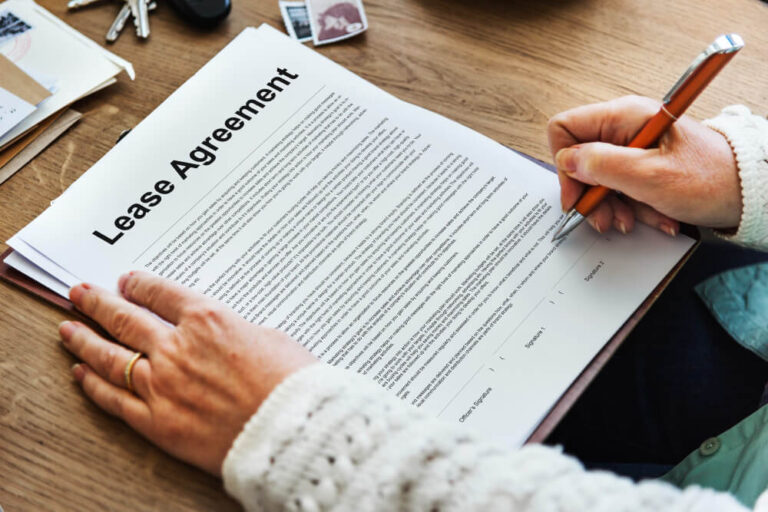
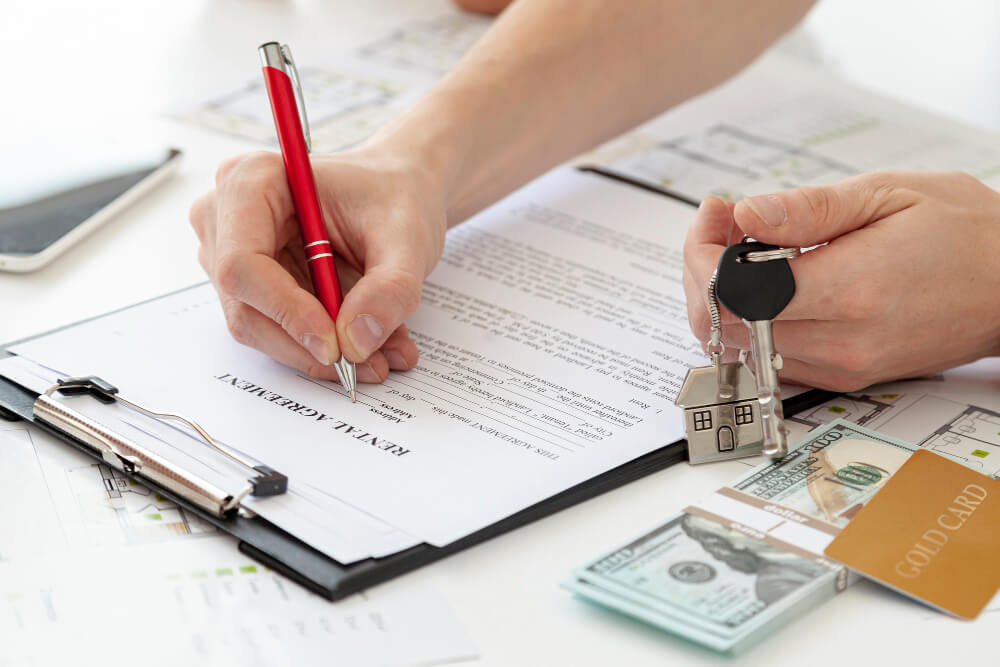
    A person reviewing an agreement forms - relocation incentives

    How to Maximize Your Relocation Benefits

    If you’re worried about lease break fees and moving costs, here are a few steps to ensure you get the most support:

    1. Review your lease agreement – Know exactly what your landlord requires for early termination.

    2. Ask about relocation benefits early – Whether it’s your employer or realtor, find out what’s covered before you move.

    3. Gather documentation – Keep copies of your lease, termination letter, and payment receipts for reimbursement.

    4. Work with relocation specialists – Realtors who specialize in relocation can help you unlock benefits others miss.


    Start by requesting your free relocation assistance consultation today.

    Real-World Example

    Consider this scenario:

    • A renter in Jacksonville, FL, needs to move to Atlanta, GA, for work.
    • Their lease has six months left, requiring a $3,000 fee to break.
    • Through relocation assistance, the program reimburses $2,500, plus an additional $1,000 in moving expense coverage.

    Instead of losing $4,000+, they only pay a fraction of the cost while also getting connected with a local realtor to buy their next home.

    The Bottom Line

    So, does relocation assistance cover lease break fees?


    In many cases, yes. Relocation incentives can reduce or even eliminate the cost of ending your lease early, while also helping with other moving expenses.

    If you’re relocating to or from Florida or Georgia, don’t pay out-of-pocket before exploring your options. The right program could save you thousands and make your move a whole lot easier.

    Visit our Relocation Assistance page to see if you qualify.

  • Top 7 Relocation Assistance Benefits for Florida and Georgia Homebuyers

    Top 7 Relocation Assistance Benefits for Florida and Georgia Homebuyers

    Top 7 Relocation Assistance Benefits for Florida and Georgia Homebuyers

    Relocating to a new city or state can be one of the most exciting chapters of your life, but it’s also one of the most stressful. Between selling your current home, finding a new property, covering moving expenses, and settling into an unfamiliar community, the process can feel overwhelming.

    That’s where relocation assistance comes in. If you’re moving to or from Florida or Georgia, having expert guidance and financial support can make the transition easier, faster, and more affordable.

    At Owning Your House, we connect you with trusted realtors and service partners who offer real relocation benefits, not just advice. Let’s explore the top 7 relocation assistance benefits every Florida and Georgia homebuyer should know about in 2025.

    1. Expert Guidance From Local Realtors

    When relocating, choosing the right neighborhood matters just as much as finding the right home. A local realtor in Florida or Georgia understands the nuances of school districts, commute times, job opportunities, and property values.

    • A relocation realtor helps you avoid costly mistakes.
    • They streamline the process by handling negotiations, paperwork, and showings.
    • They can recommend neighborhoods aligned with your lifestyle, whether that’s a quiet suburb near Atlanta or a beachside condo in Tampa.

    Explore more about our Relocation Assistance program and get matched with a trusted local agent.

    2. Financial Support for Moving Costs

    Moving isn’t cheap. Between hiring movers, renting trucks, paying deposits, and covering lease cancellation fees, expenses add up quickly.

    • With relocation assistance in Florida and Georgia, you may qualify for:
    • Partial coverage of moving expenses
    • Reimbursement for lease break fees
    • Help with temporary housing costs

    In some cases, these benefits save buyers and renters thousands of dollars, money that can be used toward closing costs or furnishing their new home.

    Family moving in into a new house - Relocation assistance Florida

    3. Faster and More Personalized Home Search

    Relocation programs don’t just hand you listings; they connect you with agents who know how to move fast. Instead of browsing endless online searches, you’ll receive curated homes that meet your needs, budget, and timeline.
    Whether you’re:

    • Moving to Florida for a new job in Orlando.
    • Relocating to Georgia to be closer to family in Savannah.
    • Looking for a suburban home near Atlanta’s tech corridor.

    A relocation realtor ensures you find the right property quickly, so you can focus on starting your new chapter.

    4. Simplified Selling of Your Current Home

    Relocation isn’t only about buying, it’s also about selling. If you’re moving out of state, selling your current home quickly and at the right price is essential.

    Relocation assistance often includes:

    • Professional home evaluations to determine accurate value.
    • Staging, marketing, and pricing strategies tailored for quick sales.
    • Access to pre-qualified buyers.

    Before listing, get a free 24-hour home evaluation to see what your property is worth.

    5. Employer-Sponsored Relocation Programs

    Many companies in Florida and Georgia partner with relocation services to attract top talent. If you’re moving for work, you may qualify for:

    • Employer-covered moving expenses.
    • Housing assistance during your transition.
    • Realtor guidance through our partner network.

    By combining employer benefits with realtor-backed relocation programs, you maximize support and minimize stress.

    6. Access to Trusted Local Service Providers

    A successful relocation involves more than buying a house. You’ll need reliable movers, mortgage lenders, title companies, contractors, and maybe even custom home builders if you want to design your dream property.

    Our relocation network connects you with vetted service providers across Florida and Georgia. This saves you from trial and error and protects you from scams or low-quality work.

    Considering new construction? Learn more about our Custom Home Build services for a stress-free path to designing your dream home.

    7. Peace of Mind and Reduced Stress

    Perhaps the biggest relocation benefit isn’t financial—it’s emotional. Moving is consistently ranked as one of life’s most stressful events. Relocation assistance gives you:

    • A clear step-by-step plan.
    • Professionals managing logistics.
    • Confidence that your move is being handled with care.

    Instead of scrambling to figure everything out yourself, you’ll have peace of mind knowing that experts are guiding you every step of the way.

    A person looking outside of his window - Relocation assistance Florida

    Why Florida and Georgia Are Relocation Hotspots

    Both Florida and Georgia continue to attract thousands of new residents each year.

    • Florida relocation drivers: no state income tax, booming job markets in Orlando, Tampa, and Miami, and year-round sunshine.
    • Georgia relocation drivers: growing tech hubs in Atlanta, affordable housing compared to national averages, and a mix of urban and suburban lifestyles.With such high demand, working with a relocation program helps you compete effectively in competitive housing markets.

    Final Thoughts

    Relocating doesn’t have to be overwhelming. With relocation assistance in Florida and Georgia, you gain financial support, local expertise, and trusted partners to guide your move. Whether you’re buying, selling, or building, having a relocation plan ensures you start your next chapter stress-free.

    Visit our Relocation Assistance page to get started.

  • Why Working with a Local Real Estate Expert Still Matters in 2025

    Why Working with a Local Real Estate Expert Still Matters in 2025

    Why Working with a Local Real Estate Expert Still Matters in 2025

    Buying or selling a home in today’s fast-paced market can feel overwhelming. With online listings, virtual tours, and AI-powered platforms everywhere, you might wonder: Do I really need a local real estate agent in 2025? The answer is still a clear yes, because no amount of technology can replace the value of personalized support, community knowledge, and local market expertise.
    At Owning Your House, we connect buyers, sellers, and homeowners with trusted professionals who understand their neighborhoods inside and out. Here’s why working with a local real estate expert continues to matter more than ever.

    1. Local Agents Understand the Market Beyond the Numbers

    Online data shows property prices and trends, but only a local expert can explain why a neighborhood is hot or why a home is sitting on the market. They know about upcoming developments, school district changes, zoning shifts, and community dynamics that impact home values.

    Key benefit: A local realtor provides context you won’t find in an app, helping you make confident and informed decisions.

    2. Personalized Guidance for Buyers and Sellers

    Every home transaction is unique. A neighborhood specialist tailors their strategy to your specific needs, whether you’re a first-time homebuyer, upgrading to a larger home, downsizing, or investing.

    • For buyers: They’ll recommend areas that fit your lifestyle and budget.
    • For sellers: They’ll price your property strategically and market it with proven local tactics.

     
    This level of personalized real estate support is something national platforms simply can’t match.

    Two person handing over keys - benefits of a local real estate agent

    3. Strong Community Connections

    Local agents are deeply connected to the community. They often know the best inspectors, mortgage brokers, contractors, and title companies to make your transaction smoother.

    Through Owning Your House’s partner network, you get access to these trusted resources in one place, saving you time, money, and stress.

    4. Negotiation Skills Rooted in Real Experience

    Algorithms can estimate value, but they don’t negotiate on your behalf. Local real estate experts use their market insight, neighborhood comps, and firsthand knowledge to secure the best deal, whether that means helping buyers avoid overpaying or ensuring sellers maximize profit.

    5. Human Support in a Digital World

    Technology makes searching easier, but buying or selling a home is still one of the biggest financial and emotional decisions you’ll ever make. Having someone by your side who understands the local housing market and cares about your journey provides peace of mind you won’t get from a website.

    Person watching structure houses with advance technology lighting - benefits of a local real estate agent

    Why Choose a Local Expert to Own Your House?

    At Owning Your House, our mission is to connect you with community-focused, knowledgeable, and trusted partners who care about your success. Whether you’re looking to buy, sell, build, or plan your financial future, our network is here to guide you at every step.

    Ready to start your homeownership journey with a trusted local partner?
    Visit Owning Your House today and get connected with an expert in your community.

    How to Reduce Closing Costs

    The good news? There are ways to lower what you owe at the closing table:
    1. Shop Around for Lenders – Compare loan origination fees and interest rates.

    2. Ask About No-Closing-Cost Mortgages – Some lenders roll fees into the loan, but you’ll pay slightly higher interest.

    3. Negotiate with the Seller – Especially in a buyer’s market, sellers may agree to cover part of your closing costs.

    4. Look for Assistance Programs – Many state and local programs help first-time buyers with down payments and closing costs.

    Key Takeaways

    • Closing costs usually run 2–5% of the home price.
    • Both buyers and sellers may be responsible for different portions.
    • Costs are due on closing day when the property officially changes hands.
    • Planning ahead helps avoid last-minute financial stress.

    Final Thoughts

    Closing costs are an unavoidable part of buying a home, but they don’t have to be a surprise. By understanding what’s included, who pays what, and how to prepare, you’ll walk into closing day with confidence.


    At Owning Your House, we help guide you through every step of the homebuying process from mortgage approval to closing day. If you’re ready to buy or just want to better understand your options, connect with one of our trusted mortgage or real estate partners today.

  • Home Maintenance Checklist for New Homeowners

    Home Maintenance Checklist for New Homeowners

    Home Maintenance Checklist for New Homeowners

    Becoming a homeowner is exciting, but it also comes with responsibility. Regular maintenance helps protect your investment, keeps your home safe, and saves money on costly repairs. To make things easier, here’s a new homeowner checklist with seasonal and year-round home maintenance tips.

    Why Home Maintenance Matters

    A home isn’t just a place to live, it’s one of your biggest financial assets. Skipping routine care can lead to expensive repairs later, from roof leaks to broken HVAC systems. Consistent upkeep helps:

    • Extend the life of appliances and systems.
    • Improve energy efficiency and lower utility bills.
    • Keep your property value strong if you decide to sell.
    • Prevent emergencies before they happen.

    General Home Maintenance Tasks (Year-Round)

    Here are essential tasks every homeowner should keep on their radar:

    • Test smoke and carbon monoxide detectors every month.
    • Replace HVAC filters every 1–3 months for better air quality.
    • Inspect plumbing for leaks under sinks, behind toilets, and around water heaters.
    • Check your roof and gutters after heavy storms.
    • Clean dryer vents to prevent fire hazards.
    • Examine caulking and weatherstripping to keep your home energy-efficient.
    • Watch for foundation cracks that may signal structural issues.
    A person doing a house maintenance - new homeowner checklist

    Seasonal Home Maintenance Checklist

    Seasonal Home Maintenance Checklist

    Breaking tasks down by season makes them easier to manage.

    Spring

    • Inspect the roof for winter damage.
    • Clean gutters and downspouts.
    • Service the HVAC system before summer.
    • Pressure wash siding, driveway, and deck
    • Test outdoor faucets and sprinkler systems

    Summer

    • Check windows and doors for drafts.
    • Trim trees and shrubs away from the home.
    • Inspect and clean ceiling fans.
    • Maintain lawn equipment and tools.
    • Look for pests or termite activity.

    Fall

    • Clean and inspect the chimney and fireplace.
    • Flush water heater.
    • Reseal driveways and walkways.
    • Service the heating system.
    • Check weatherstripping and insulation before winter.

    Winter

    • Test sump pumps and basement drainage.
    • Keep gutters free of ice dams.
    • Protect pipes from freezing with insulation.
    • Reverse ceiling fans to push warm air down.
    • Stock up on winter emergency supplies.

    Budgeting for Home Maintenance

    Experts recommend setting aside 1–3% of your home’s value per year for maintenance. For example, if your home is worth $300,000, budget at least $3,000 annually. Keep a “home fund” for unexpected repairs like roof leaks, water heater replacements, or HVAC failures.

    You can also save money by doing some preventive maintenance yourself while hiring licensed professionals for major systems like electrical, plumbing, and roofing.

    Compare quotes from multiple contractors before committing. Use our trusted contractor directory to find vetted pros in your area.

    DIY vs. Hiring a Professional

    Not all home maintenance tasks need a pro, but some definitely do.

    DIY friendly: Replacing air filters, cleaning gutters, sealing windows, and landscaping.

    Hire a pro: Roof inspections, electrical repairs, HVAC tune-ups, foundation work.

    Trying to tackle complex jobs on your own can actually cost more if mistakes happen. A certified professional ensures safety and quality.

    Final Thoughts

    Homeownership is about more than just a roof over your headit’s about protecting your future. Join the Owning Your House
    community for trusted home maintenance tips, resources, and connections to reliable pros.

    Owner and the repair man discussing - new homeowner checklist

    How to Reduce Closing Costs

    The good news? There are ways to lower what you owe at the closing table:
    1. Shop Around for Lenders – Compare loan origination fees and interest rates.

    2. Ask About No-Closing-Cost Mortgages – Some lenders roll fees into the loan, but you’ll pay slightly higher interest.

    3. Negotiate with the Seller – Especially in a buyer’s market, sellers may agree to cover part of your closing costs.

    4. Look for Assistance Programs – Many state and local programs help first-time buyers with down payments and closing costs.

    Key Takeaways

    • Closing costs usually run 2–5% of the home price.
    • Both buyers and sellers may be responsible for different portions.
    • Costs are due on closing day when the property officially changes hands.
    • Planning ahead helps avoid last-minute financial stress.

    Final Thoughts

    Closing costs are an unavoidable part of buying a home, but they don’t have to be a surprise. By understanding what’s included, who pays what, and how to prepare, you’ll walk into closing day with confidence.


    At Owning Your House, we help guide you through every step of the homebuying process from mortgage approval to closing day. If you’re ready to buy or just want to better understand your options, connect with one of our trusted mortgage or real estate partners today.

  • Understanding Closing Costs: What Buyers Should Expect

    Understanding Closing Costs: What Buyers Should Expect

    Understanding Closing Costs: What Buyers Should Expect

    When buying a home, most people focus on the down payment and the monthly mortgage. But another expense often catches buyers off guard: closing costs. These are the fees you pay at the end of the homebuying process, and they can add up to thousands of dollars. Knowing what to expect helps you budget properly and avoid last-minute surprises.

    What Are Closing Costs?

    Closing costs are the final expenses paid when the home purchase transaction is completed. They typically range between 2% and 5% of the home’s purchase price, depending on your location, loan type, and lender.

    These costs cover everything from processing your loan paperwork to transferring the property title. Unlike the down payment, which goes directly toward your home equity, closing costs are payments to lenders, third-party service providers, and local governments.

    Common Closing Costs Explained

    Here’s a breakdown of typical fees you might see on your closing disclosure statement:

    Loan Origination Fee – Charged by the lender for processing your mortgage, usually about 0.5–1% of the loan amount.

    Appraisal Fee – Pays for a professional appraiser to confirm the home’s value, often $300–$600.

    Credit Report Fee – Covers pulling your credit history for mortgage approval, usually $30–$50.

    Title Search & Title Insurance – Ensures the property is legally clear to transfer and protects you against ownership disputes.

    Attorney Fees – In some states, attorneys are required to review closing documents.

    Escrow Fees – Paid to the escrow company or settlement agent managing funds.

    Recording Fees – Charged by the county to record your deed and mortgage documents.

    Prepaid Costs – Includes property taxes, homeowner’s insurance, and prepaid interest for the first month of your loan.

    Who Pays Closing Costs?

    Closing costs can be paid by buyers, sellers, or split between both depending on what’s negotiated.

    • Buyers typically cover lender-related fees, appraisal, inspections, and insurance.
    • Sellers often pay real estate agent commissions and sometimes part of the title fees.
    • Negotiated Credits – Buyers can sometimes request the seller to contribute toward closing costs as part of the purchase contract.

    First-time buyers may qualify for down payment and closing cost assistance programs through state housing agencies or local lenders.

    When Are Closing Costs Due?

    Closing costs are due on the day you sign your final paperwork, often referred to as “closing day.” This is when the lender, escrow agent, and title company finalize the sale, and funds are distributed.

    You’ll receive a Loan Estimate (within three business days of applying for a mortgage) and a Closing Disclosure (at least three business days before closing). These documents break down all your fees, so you have time to review and ask questions.

    Real-Life Example

    Let’s say you’re buying a $300,000 home:

    • Average closing costs at 3% = $9,000
    • Down payment (10%) = $30,000
    • Total cash to bring to closing = $39,000


    For many buyers, this means planning not just for the down payment but also for thousands in additional upfront expenses.

    Expert Insight

    According to John Martinez, Mortgage Advisor with Ameris Bank:

    “One of the most common mistakes I see first-time buyers make is focusing only on the down payment. Closing costs can be a deal breaker if you’re not prepared. Always review your Loan Estimate carefully and set aside a little extra in your budget.”

    A person holding an image of house while the other writing - What are closing costs

    How to Reduce Closing Costs

    The good news? There are ways to lower what you owe at the closing table:
    1. Shop Around for Lenders – Compare loan origination fees and interest rates.

    2. Ask About No-Closing-Cost Mortgages – Some lenders roll fees into the loan, but you’ll pay slightly higher interest.

    3. Negotiate with the Seller – Especially in a buyer’s market, sellers may agree to cover part of your closing costs.

    4. Look for Assistance Programs – Many state and local programs help first-time buyers with down payments and closing costs.

    Key Takeaways

    • Closing costs usually run 2–5% of the home price.
    • Both buyers and sellers may be responsible for different portions.
    • Costs are due on closing day when the property officially changes hands.
    • Planning ahead helps avoid last-minute financial stress.

    Final Thoughts

    Closing costs are an unavoidable part of buying a home, but they don’t have to be a surprise. By understanding what’s included, who pays what, and how to prepare, you’ll walk into closing day with confidence.


    At Owning Your House, we help guide you through every step of the homebuying process from mortgage approval to closing day. If you’re ready to buy or just want to better understand your options, connect with one of our trusted mortgage or real estate partners today.

  • How Much Home Can You Afford? Budgeting for Buyers

    How Much Home Can You Afford? Budgeting for Buyers

    How Much Home Can You Afford? Budgeting for Buyers

    One of the most important questions for anyone planning to purchase a home is: “How much house can I afford?”

    The answer isn’t just about what a lender is willing to approve; it’s about what fits comfortably into your lifestyle, long-term goals, and financial health. Many first-time buyers make the mistake of shopping at the top of their budget, only to find themselves “house poor.” With a smart strategy and the right tools, you can avoid this trap.

    At Owning Your House, we help buyers in the U.S. understand affordability, connect with trusted mortgage partners, and make confident decisions.

    Step 1: Understand the 28/36 Rule

    Lenders often use the 28/36 rule as a starting point:

    • 28% of your gross monthly income should go toward housing costs (mortgage, taxes, insurance, HOA).
    • 36% total debt-to-income ratio (DTI), which includes your housing costs plus car loans, student loans, credit cards, and other debt.

    Example: If you earn $6,000 per month before taxes:

    • $1,680 (28%) should be your maximum housing cost.
    • $2,160 (36%) should be your maximum total debt payments.

    Step 2: Factor in All Housing Expenses

    The mortgage principal and interest are only part of the picture. A true affordability calculation also includes:

    • Property taxes – Vary by state and county.
    • Homeowners insurance – Required by lenders.
    • Private mortgage insurance (PMI) – If your down payment is below 20%.
    • HOA dues – Common in condos and planned communities.
    • Utilities and maintenance – Often overlooked but essential.

    A good rule of thumb is to set aside 1% of your home’s value annually for maintenance. On a $300,000 home, that’s $3,000 per year.

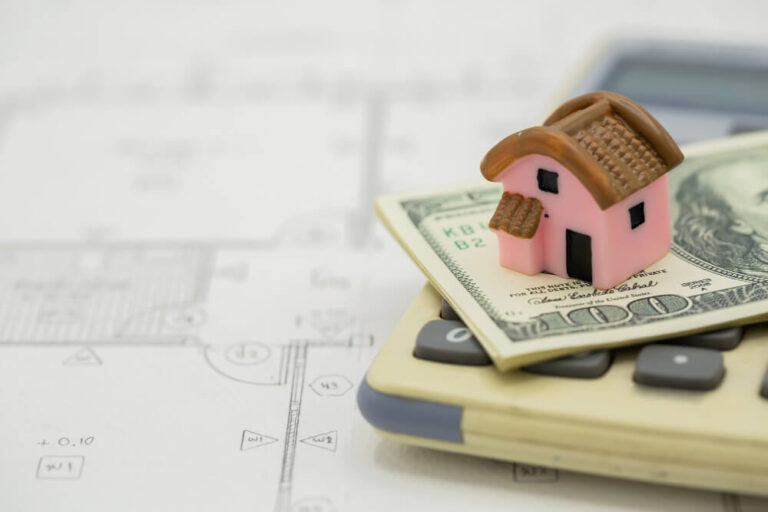
    A tiny house at the of blueprint with money - how much house can I afford

    Step 3: Calculate with an Affordability Formula

    A simplified formula many financial advisors recommend:

    Home Price = (Annual Income × 2.5 to 3) + Down Payment

    If your household income is $80,000 and you have $20,000 saved for a down payment:

    • $80,000 × 3 = $240,000
    • $240,000 + $20,000 =$260,000 target home price

    This is a rough guideline; mortgage rates, local market trends, and debt obligations will shift the number.

    Step 4: Consider Your Lifestyle and Goals

    Just because a lender approves you for a certain amount doesn’t mean you should spend it. Think about:

    • Do you want room in your budget for travel, dining out, or hobbies?
    • Are you planning for future expenses like childcare or college?
    • Do you want extra savings for retirement or investments?

    Buying within your comfort zone means you’ll enjoy your home without financial stress.

    Step 5: Build a Budgeting Worksheet

    A practical step is to build a home affordability worksheet. Include:

    • Gross monthly income
    • Monthly debt payments
    • Desired savings goals Estimated housing costs (mortgage + taxes + insurance + HOA + maintenance)

    By laying everything out, you’ll see exactly how a new mortgage fits into your financial plan.

    Before house hunting, “practice” your new budget. If your projected housing cost is $2,200/month and you’re currently paying $1,600 in rent, try setting aside the extra $600 each month in savings. If it feels comfortable, you’re ready. If not, you may need to adjust your price range.

    Step 6: Don’t Forget the Down Payment and Closing Costs

    Beyond monthly payments, upfront costs matter too:

    • Down payment – Typically 3–20% depending on the loan type.
    • Closing costs – Usually 2–5% of the loan amount (lender fees, title, appraisal).
    • Emergency fund – It’s wise to keep 3–6 months of living expenses after closing.
    Hands holding money and house - how much house can I afford

    Step 7: Work With a Mortgage Partner

    While online calculators are helpful, nothing replaces a personalized review from a mortgage professional. A trusted advisor can:

    • Run detailed affordability scenarios.
    • Explain how different loan options (FHA, conventional, VA, USDA) impact your budget.
    • Help you find programs for down payment assistance.

    At Owning Your House, we connect buyers with experienced lenders in your area who can guide you through the process and help you avoid costly mistakes.

    The Bottom Line: Find Your True Comfort Zone

    So, how much house can you afford? The answer is unique to your income, debt, and goals but the key is balance. Use the 28/36 rule, budget for hidden costs, and remember that the best home isn’t just one you can buy it’s one you can comfortably keep.

    Next Steps: Ready to Discover Your Affordability?

    Don’t guess your numbers. Take the next step toward confident homeownership:

    Visit OwningYourHouse.com to connect with trusted mortgage partners who can help you calculate affordability, compare loan options, and find the perfect home within your budget.

  • What Credit Score Do You Need to Buy a Home?

    What Credit Score Do You Need to Buy a Home?

    What Credit Score Do You Need to Buy a Home?

    Buying a home is exciting, but before you can get the keys, your credit score plays a major role in whether you’ll be approved for a mortgage and what interest rate you’ll receive.

    If you’ve been asking, “What credit score do I need to buy a house?”, the answer depends on the type of loan, your down payment, and your financial profile. In this guide, we’ll explain the credit score requirements for different mortgage programs, how your score impacts monthly payments, and tips to boost your score before applying.

    At Owning Your House, we connect buyers with trusted mortgage professionals who can walk you through every step.

    Why Your Credit Score Matters When Buying a Home

    Lenders use your credit score to determine:

    Loan approval – Whether you qualify for a mortgage.

    Interest rates – Higher scores often secure lower rates.

    Loan programs – Different mortgages have different minimum requirements.

    A small difference in your score can mean saving or spending tens of thousands of dollars over the life of your loan.

    Example: A borrower with a 760 score might qualify for a 6.5% rate, while someone with a 640 score could face a 7.5% rate or higher. That’s a significant increase in monthly payments.

    Minimum Credit Score Requirements by Loan Type

    Here’s a breakdown of typical credit score benchmarks in the U.S.:
    Conventional Loan: Minimum 620

    • Backed by Fannie Mae or Freddie Mac.
    • Better rates available with scores 740+.

    FHA Loan: Minimum 580 (with 3.5% down)

    • Popular with first-time buyers.
    • Scores 500–579 may qualify with 10% down.

    VA Loan: No official minimum

    • For veterans, active-duty service members, and eligible spouses.
    • Most lenders prefer 620+.

    USDA Loan: Typically 640

    • Designed for rural and suburban buyers.
    • May accept lower scores with strong income verification.


    Even if your score meets the minimum, higher scores almost always unlock better terms.

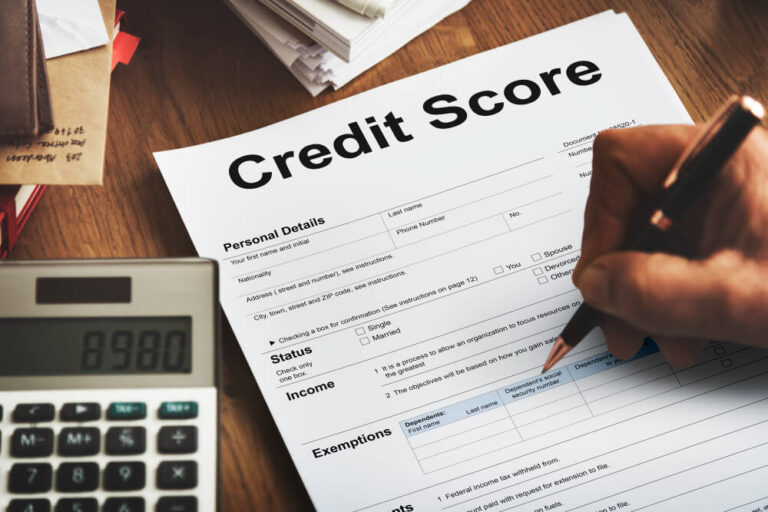
    Person handing over Card - credit score to buy a house

    Credit Score Tiers and What They Mean

    Excellent (740+): Best mortgage rates, widest loan options.

    Good (700–739): Competitive rates, strong approval odds.

    Fair (640–699): Qualifies for many programs, but rates may be higher.

    Poor (580–639): Limited options, higher down payments often required.

    Very Poor (<580): May still qualify for FHA with 10% down, but approval is challenging.

    How Credit Score Affects Your Mortgage Payment

    A higher credit score can significantly lower your monthly housing costs.

    For example, on a $300,000 loan over 30 years:

    • With a 740 score, your interest rate might be 6.5% = ~$1,896/month.
    • With a 620 score, your interest rate could be 7.5% = ~$2,098/month.


    That’s a $200 monthly difference, or over $70,000 across the life of the loan.

    Tips to Improve Your Credit Score Before Buying a House

    If your score isn’t where you want it to be, don’t worry, credit improvement is possible with the right strategy.

    1. Check Your Credit Report

    • Request a free copy at AnnualCreditReport.com.
    • Dispute errors or outdated information.

    2. Pay Down Credit Card Balances

    • Keep utilization below 30% of your available credit.
    • Lower balances = higher scores.

    3. Avoid New Credit Accounts

    • New credit inquiries can temporarily lower your score.
    • Hold off until after your mortgage closes.

    4. Pay Bills on Time

    • On-time payments are the most important credit factor.
    • Set up autopay to stay consistent.

    5. Don’t Close Old Accounts

    • Longer credit history improves your score.
    • Keep old cards open, even if you rarely use them.

    Beyond Credit: Other Factors Lenders Consider

    While a credit score is critical, lenders also look at:

    • Debt-to-Income Ratio (DTI) – Ideally below 43%.
    • Employment history – Steady income is key.
    • Down payment size – Larger down payments can offset lower credit scores.
    A persons Hand checking Form - credit score to buy a house

    The Bottom Line: What Score Do You Need?

    The short answer: You may qualify with a score as low as 580 for FHA loans or 620 for conventional loans, but aiming for 700+ puts you in a stronger position.

    Your credit score doesn’t just open the door to homeownership; it determines how affordable your home will be for years to come.

    Next Steps: Get Expert Help

    Improving your credit and navigating mortgage requirements can feel overwhelming, but you don’t have to do it alone.

    At Owning Your House, we connect you with trusted mortgage advisors who can review your credit, suggest personalized strategies, and guide you to the best loan program.

    Ready to find out what’s possible with your credit score? Visit OwningYourHouse.com today to connect with experts who can help you take the next step toward homeownership.

  • 7 Common Homebuyer Mistakes and How to Avoid Them

    7 Common Homebuyer Mistakes and How to Avoid Them

    7 Common Homebuyer Mistakes and How to Avoid Them

    Buying a home is one of the biggest financial and emotional decisions you’ll ever make. But even experienced buyers can make costly mistakes that affect their finances, comfort, and plans.

    At Owning Your House, we’ve helped countless buyers navigate the process, and we’ve seen the same pitfalls come up again and again. Whether you’re a first-time homebuyer or upgrading to your forever home, avoiding these missteps can save you money and stress.

    1. Letting Emotions Drive the Purchase

    The mistake:

    Falling in love with a house too quickly can cloud your judgment. You might overlook flaws, ignore your budget, or skip due diligence just to “lock it in.”

    Why it’s a problem:

    Emotional buying often leads to overspending or settling for a property that doesn’t meet your long-term needs.
    How to avoid it:

    • Make a clear list of your must-haves vs. nice-to-haves.
    • View multiple properties before making an offer.
    • Work with a trusted real estate partner who can keep you grounded.

    2. Skipping the Home Inspection

    The mistake:

    Waiving the inspection to make your offer more attractive in a competitive market.

    Why it’s a problem:

    A home inspection can reveal hidden issues like foundation cracks, roof leaks, or outdated electrical systems that may cost thousands to repair.

    How to avoid it:

    • Always include a professional inspection, even if it’s a short contingency.
    • Use the report to negotiate repairs or adjust the purchase price.
    • If you must waive it, consider doing a pre-offer walk-through with an inspector.
    Kitchen interior - homebuyer tips

    3. Not Budgeting Beyond the Mortgage

    The mistake:

    Focusing only on the monthly mortgage payment without factoring in taxes, insurance, maintenance, and utilities.

    Why it’s a problem:

    Your actual monthly costs could be hundreds of dollars higher than expected, stretching your finances thin.

    How to avoid it:

    • Use a home affordability
    • calculator that includes property taxes, HOA fees, and insurance.
    • Set aside 1–3% of your home’s value annually for maintenance.
    • Review your budget with a financial advisor before making a commitment.

    4. Ignoring Mortgage Pre-Approval

    The mistake:

    House hunting without getting pre-approved for a mortgage.

    Why it’s a problem:

    Without pre-approval, you risk falling in love with a home outside your budget or losing out to a pre-approved buyer.

    How to avoid it:

    • Get pre-approved before you start searching.
    • Compare rates from at least three lenders.
    • Maintain a strong credit score to secure better terms.

    5. Overlooking the Neighborhood

    The mistake:

    Buying the perfect house in the wrong location.

    Why it’s a problem:
    Neighborhood safety, school quality, commute times, and amenities all significantly impact your daily life and the resale value of your home.

    How to avoid it:

    • Visit the area at different times of day.
    • Research local crime rates, school rankings, and property trends.
    • Talk to neighbors about their experience.

    6. Making Big Purchases Before Closing

    The mistake:

    Buying furniture, a car, or applying for new credit before the deal closes.

    Why it’s a problem:

    Large purchases or new debt can change your debt-to-income ratio, jeopardizing your mortgage approval.

    How to avoid it:

    • Wait until after closing to make big financial moves.
    • Keep your credit profile stable.
    • Consult your lender before any major purchase.

    7. Forgetting About Closing Costs

    The mistake:

    Focusing on the down payment but forgetting closing costs, which typically range from 2%–5% of the purchase price.

    Why it’s a problem:

    You may struggle to come up with the cash at the last minute.

    How to avoid it:

    • Request a closing cost estimate early in the process.
    • Negotiate for the seller to cover part of the costs.
    • Save more than you think you’ll need.

    The Bottom Line

    Home buying can be overwhelming, but with the right preparation and guidance, you can avoid these costly mistakes. Owning Your House is here to help you every step of the way, from finding the right home to closing with confidence.
    If you’re ready to start your journey, explore our resources and local partner network today.

  • Rent vs. Buy in 2025: What Makes More Financial Sense?

    Rent vs. Buy in 2025: What Makes More Financial Sense?

    Rent vs. Buy in 2025: What Makes More Financial Sense?

    The rent-versus-buy debate has been around for decades, but in 2025, the decision is more complicated than ever. Rising interest rates, fluctuating home prices, and shifting rental markets mean you can’t just go with old rules of thumb.
    This guide breaks down monthly costs, equity building, market trends, and the pros and cons of each option, so you can make a decision based on real numbers, not guesswork.

    1. The Cost Comparison: Monthly Payments in 2025

    Rent Growth (2025):

    • As of June 2025, the U.S. average rent was $1,636/month, up 0.9% year-over-year
    • Zillow reports a national average rent of $2,072, with a modest annual increase of 2.6%
    • In many markets, however, rent growth has slowed or turned negative; for instance, Apartment List shows a 0.8% year-over-year decline, with the current median rent at $1,402


    Home Price Appreciation (2025):

    • According to FHFA, U.S. house prices rose 4.8% from January 2024 to January 2025
    • J.P. Morgan expects a 3% rise in home prices during 2025
    • Business Insider reports a slowdown, with national median prices up only 2%, and some metro areas already seeing price declines, particularly Oakland, West Palm Beach, and Austin

    This means that while rent remains relatively flat, buying now might lock in equity gains as home prices continue modest growth.

    2. Real Monthly Cost Breakdown

    Here’s a realistic snapshot for comparison:


    Scenario

    Monthly Rent

    Annual Change

    Buy (Approx.)*

    Equity Growth Potential

    Renting

    $1,636

    +0.9%

    None

    Buying

    $2,600**

    $2,600**

    Home value +3–5% + principal


    *Based on a hypothetical $350,000 home, 6% mortgage rate, and 10% down, including taxes and insurance.

    **Estimate only, your actual mortgage payment depends on your rates, down payment, and location.

    3. What the Data Means for You

    • Renting offers flexibility and lower upfront costs, but doesn’t build equity.
    • Buying may feel costlier monthly, but it creates long-term financial value, especially when home prices are climbing.
    • In many U.S. areas, builders are increasing inventory, and buyers are gaining negotiating leverage, such as concessions or price reductions
    • Take into account how long you’ll stay in the home and local market trends.

    4. How to Evaluate Your Situation

    Use a reliable rent vs. buy calculator online, or work with a mortgage advisor to get precise numbers for your area.

    Include:

    • Local rent averages
    • Mortgage interest rates
    • Down payment size
    • Taxes, insurance, and maintenance
    • Projected home price growth (~3–5% per year)
    • Rent growth (typically under 3% nationally, but varies)

    If staying 5+ years in one place and home prices continue on pace, you’re likely building equity that renting won’t give you.

    Final Thoughts

    Right now, renting offers stability without ownership responsibilities, but no equity growth. Buying carries higher costs up front but aligns better with long-term wealth-building, especially in today’s modest home price market. Use real data and trusted calculators, or lean on Owning Your House to connect with local professionals, to make an informed decision.

  • How to Get Approved for a Mortgage: A First-Time Buyer’s Guide

    How to Get Approved for a Mortgage: A First-Time Buyer’s Guide

    How to Get Approved for a Mortgage: A First-Time Buyer’s Guide

    Buying your first home is exciting, but before you can start house hunting, you need mortgage approval. Lenders want to be sure you can afford the loan, and the approval process can feel overwhelming if you don’t know what to expect.
    This guide breaks down the mortgage loan approval process step by step, from checking your credit score to obtaining that all-important pre-approval letter.

    1. Understand How Mortgage Approval Works

    When you apply for a mortgage, lenders evaluate your financial profile to decide if you qualify and how much they’re willing to lend. They look at four main factors:

    • Credit Score – Higher scores mean better rates and more options.
    • Income and Employment history – Lenders want steady, verifiable income.
    • Debt-to-income Ratio (DTI) – Compares your monthly debts to your income; lower is better.
    • Down Payment – The amount you pay upfront; larger down payments reduce risk for lenders.

    Knowing how these elements work can help you prepare before applying.

    2. Check and Improve Your Credit Score

    Your credit score is one of the most important factors in mortgage approval. Many lenders require at least a 620 for conventional loans, though some first-time buyer programs accept scores as low as 580.
    Ways to improve your score before applying:

    • Pay down high credit card balances.
    • Make all payments on time.
      Avoid opening new credit accounts right before applying.
    • Dispute any errors on your credit report.

    Learn more about mortgage protection to safeguard your home after purchase.

    3. Gather the Right Documents

    Having your paperwork ready speeds up the process and shows lenders you’re prepared. Common documents include:

    • Proof of income (pay stubs, W-2s, or tax returns if self-employed)
    • Bank statements for the past 2–3 months
    • Proof of assets (investment accounts, savings)
    • Photo ID
    • Employment verification letter
    • Rental history (if applicable)

    Keep these in a folder so you can respond quickly to lender requests.

    4. Understand Your Loan Options

    As a first-time buyer, you may qualify for special programs and loans:

    • Conventional Loans – Good for borrowers with solid credit and stable income.
    • FHA Loans – Lower down payment (as low as 3.5%) and more flexible credit requirements.
    • VA Loans – For eligible military service members and veterans; no down payment required.
    • USDA Loans – For rural and some suburban homes; often no down payment.

    Compare rates, terms, and eligibility requirements to find your best fit.

    5. Get Approved, Not Just Pre-Qualified

    Pre-qualification is a quick estimate of what you might be able to borrow. Pre-approval is a more detailed process where the lender verifies your financial information and provides a written commitment for a loan amount.
    Why pre-approval matters:

    • Shows sellers you’re a serious buyer.
    • Helps you set a realistic budget.
    • Speeds up the closing process once you find a home.

    Ask your lender for a pre-approval letter before you start making offers.

    6. Keep Your Finances Steady Until Closing

    Once you’re pre-approved, avoid financial changes that could affect your loan:

    • Don’t change jobs (unless it’s in the same field with equal or higher pay).
    • Don’t make large purchases on credit.
    • Don’t apply for new loans or credit cards.

    Lenders will recheck your finances before closing; any red flags could delay or derail your approval.

    Mortgage Professional

    7. Work with a Trusted Mortgage Professional

    The mortgage process can be smoother when you have an expert guiding you. A good loan officer can:

    • Help you choose the right loan program.
    • Explain closing costs and timelines.
    • Communicate with your realtor to keep things on track.

    At Owning Your House, we connect first-time buyers with trusted lenders, real estate agents, and homeownership resources to make your journey stress-free.

    Ready to start? Find a trusted mortgage partner today.

    Final Thoughts

    Getting approved for a mortgage is one of the biggest steps toward homeownership. By improving your credit, preparing your documents, understanding your options, and working with the right professionals, you’ll be well-positioned to get that “yes” from your lender.

    Your first home is closer than you think. Start preparing today, and let Owning Your House help guide you every step of the way.

Reset password

Enter your email address and we will send you a link to change your password.

Powered by Estatik