
Breaking a lease early can be expensive, especially if you’re relocating for a new job, moving closer to family, or buying your first home. Many renters and homeowners ask the same question: “Does relocation assistance cover lease break fees?”
The short answer: In many cases, yes. Depending on your relocation program, you may be eligible for financial incentives that cover lease cancellations, moving expenses, and even temporary housing.
Let’s explore how relocation assistance works, what fees may be covered, and how you can maximize your benefits when moving to Florida or Georgia.
Relocation assistance, sometimes called a relocation package or moving incentive program, is designed to help people move with less financial stress. These programs are often provided through:
In states like Florida and Georgia, where thousands of residents relocate each year, these programs make the moving process smoother and more affordable.

Lease agreements are legally binding. If you need to move before your lease ends, landlords typically require you to:
These costs add up quickly. Imagine paying $1,500/month in rent and being asked to cover three months for breaking the lease. That’s $4,500 out-of-pocket before you even start packing boxes.
In many cases, yes, relocation assistance can cover lease break fees. Programs differ by provider, but benefits may include:
1. Direct reimbursement for lease cancellation – Some relocation incentives pay your lease termination fee upfront or reimburse you once you provide documentation.
2. Stipends for moving expenses – Instead of covering the fee directly, you may receive a lump sum or allowance you can apply toward lease penalties, movers, or deposits.
3. Negotiation support – Some relocation programs work with landlords to reduce or waive penalties, saving you money and hassle.
4. Employer-sponsored coverage – Corporate relocation packages often include lease break fee reimbursement as part of their moving support.
With Owning Your House, you may qualify for relocation incentives in Florida and Georgia that offset lease cancellations, moving costs, and more.
Lease break fees aren’t the only costs relocation assistance helps with. Depending on your program, you may also receive help with:
By combining lease break fee coverage with these moving incentives, your financial burden is significantly reduced.
Eligibility varies, but common scenarios include:
Since details can change, the best way to confirm eligibility is by connecting with your assigned realtor through Owning Your House.
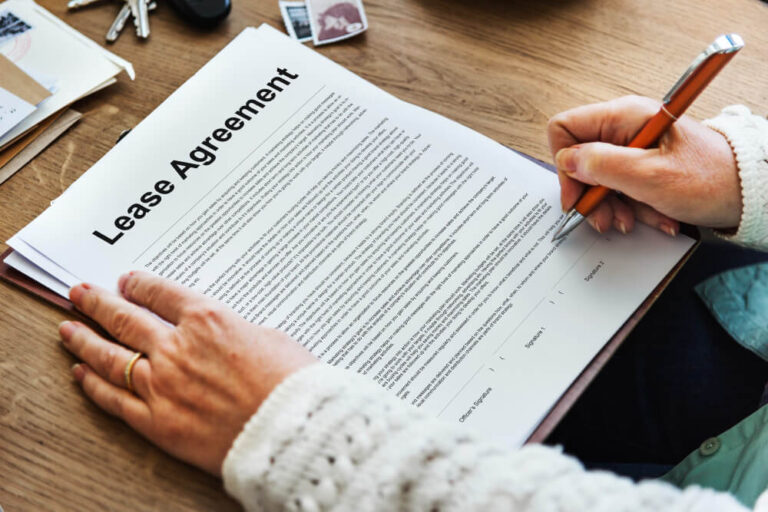
If you’re worried about lease break fees and moving costs, here are a few steps to ensure you get the most support:
1. Review your lease agreement – Know exactly what your landlord requires for early termination.
2. Ask about relocation benefits early – Whether it’s your employer or realtor, find out what’s covered before you move.
3. Gather documentation – Keep copies of your lease, termination letter, and payment receipts for reimbursement.
4. Work with relocation specialists – Realtors who specialize in relocation can help you unlock benefits others miss.
Start by requesting your free relocation assistance consultation today.
Consider this scenario:
Instead of losing $4,000+, they only pay a fraction of the cost while also getting connected with a local realtor to buy their next home.
So, does relocation assistance cover lease break fees?
In many cases, yes. Relocation incentives can reduce or even eliminate the cost of ending your lease early, while also helping with other moving expenses.
If you’re relocating to or from Florida or Georgia, don’t pay out-of-pocket before exploring your options. The right program could save you thousands and make your move a whole lot easier.
Visit our Relocation Assistance page to see if you qualify.
You’ve saved a few homes!
Enter your email address and we will send you a link to change your password.
You may be eligible to receive up to $4,500 in rebates and incentives when you use the OwningYourHouse.com network of trusted partners.
Click the button below to receive more information now.
OwningYourHouse.com helps Florida home buyers and sellers across Miami, Orlando, Tampa, Jacksonville, Fort Lauderdale, West Palm Beach, Sarasota, and statewide markets connect with verified real estate agents, lenders, and title partners.
Florida members gain real estate rebates, incentives, and exclusive savings by staying within our trusted network.
From South Florida’s luxury condos to Central Florida suburbs to Gulf Coast communities, our Florida partners provide expert support, local market knowledge, and a straightforward path to homeownership—with real financial benefits.

Here are the 3 homes you saved:
Enter your info and an advisor will contact you within 24 hours.
Your trusted advisor will reach out within 24 hours.
To view your saved homes, please provide your contact details.
Enter your info to save and compare your favorite properties.
Your homes are saved. A member of our team will be in touch shortly.
You've found 3 homes you love! Enter your details below to save them and get more info.
Just one more step. Where can we send your saved listings?
Your homes are saved. A member of our team will be in touch with you shortly.